MSK LOW LEVEL LASER THERAPY IN STREATHAM, LONDON
• Leaders and pioneers in therapeutic laser technology
• Treatment on a fundamental level without pain or side effects
• Rapid and long-lasting results

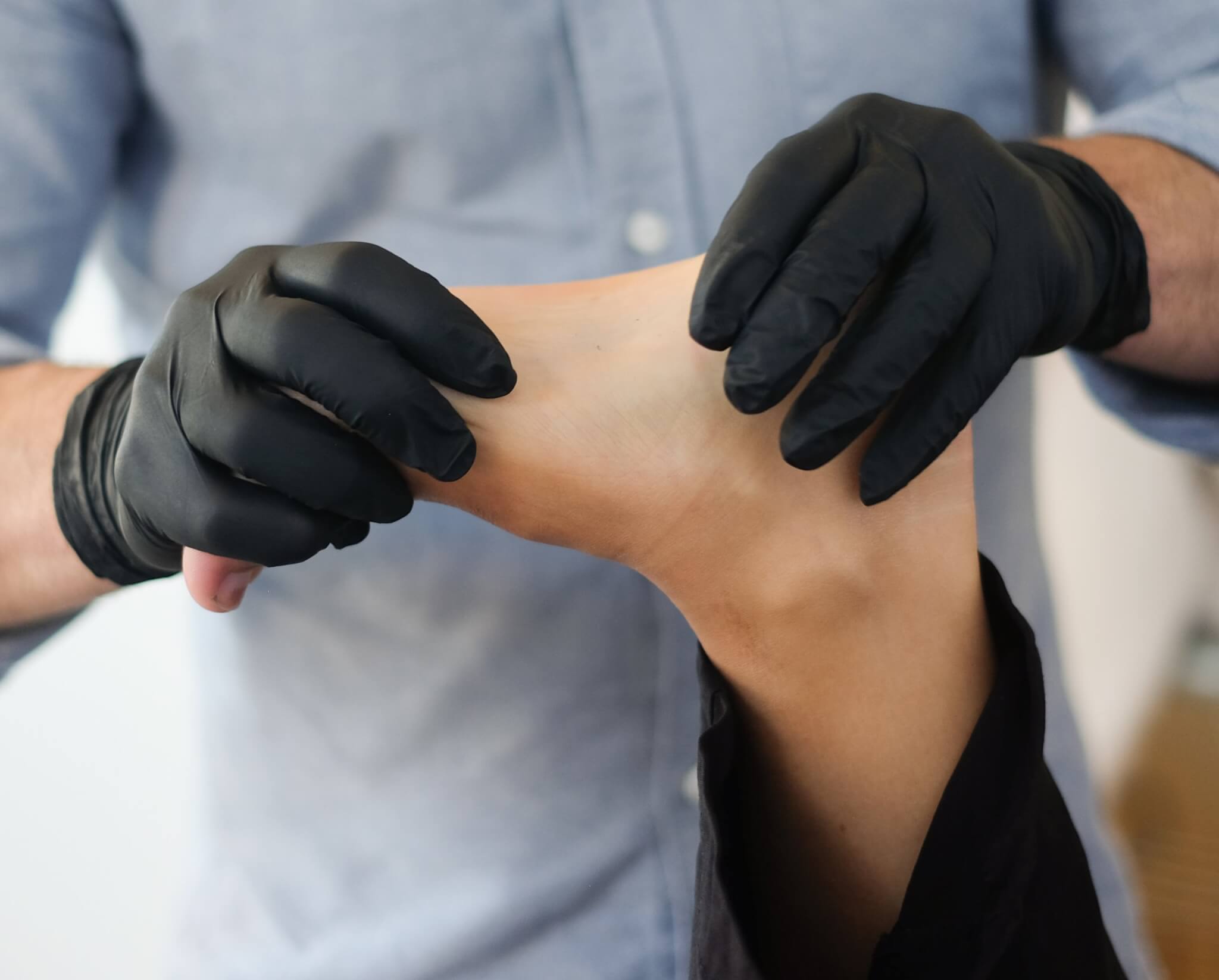
Leigham Practice is one the longest established therapeutic low level laser centres in London, pioneering treatment for nearly 30 years. Low Level Laser Therapy is unusual in medicine as it taps into a natural photo-chemical pathway found in animals (yes, check out veterinary uses) and delivers tiny amounts of red or infra-red light to cells up to two inches from the surface of the skin to accelerate healing and repair, without pain or side effects. Treatment is painless, safe to use, even during pregnancy, that it is one of our front line treatments.
We specialise in the treatment of problems that others have found difficult to resolve, so contact us today with any questions about a problem and we will tell you if we feel we can help.
What is Low Level Laser Therapy?
Sometimes called ‘Cold Lasers’, or Photobiomodulation Therapy, Low Level Lasers are able to shine light to a depth of up to 5cm below the skin, without any heating effects, where cells absorb that energy and speed up the processes of healing and repair.
I’ve not heard of it, is it new?
No. Far from it. Low Level Laser Therapy has been know of, as a phenomena, since the 1960’s. Evidence of it’s benefit has been pouring in for decades, but without any concrete understanding the mechanism of how it actually worked, it seemed preposterous that one thing could treat so many different problems. Relatively recently this was discovered and this therapy moved from ‘preposterous’ to ‘obvious’ in the blink of an eye.
Why isn’t it everywhere?
It is. Canada, North America, South America, India, Russia, China, Japan, Eastern Europe. Many podiatrists, physiotherapists and Vets use it. The midwives in Wales started using it a decade ago, and we’ve been using it for nearly 30 years. It’s estimated that it takes about 10 years for research to go from publication to being taken up by mainstream practice, so over the next couple of years you’ll notice it much more.